In our last post, we explored how identity and emotional patterns influence transformation. Today I will share what completely reshaped my understanding of yoga.
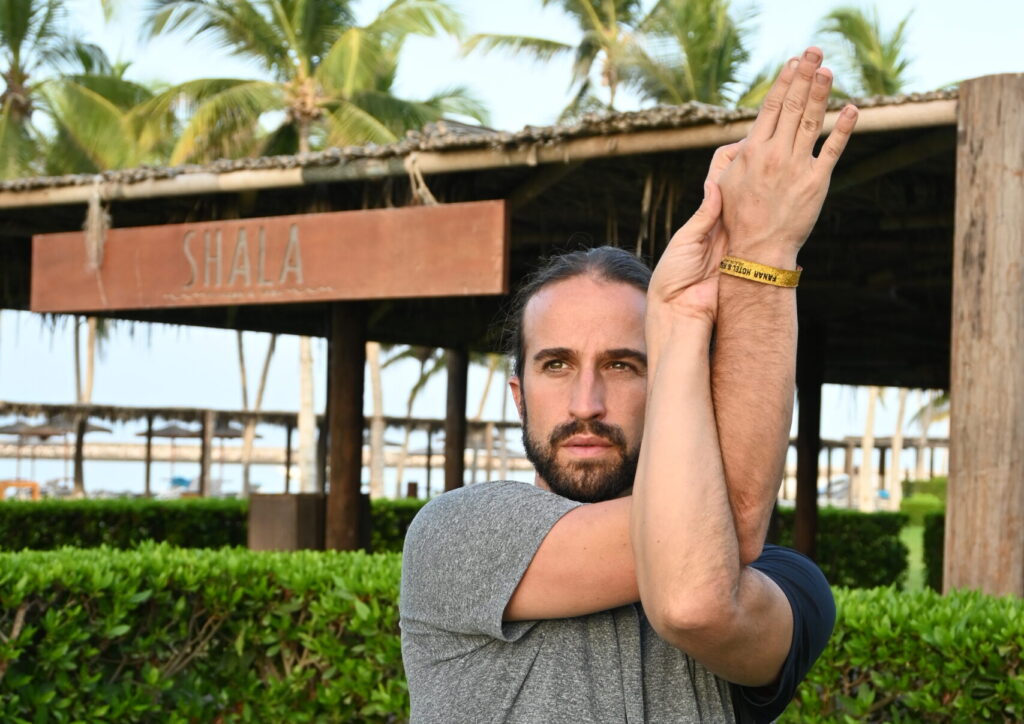
It began when I had my awakening.
At the time, I was searching for answers — mentally, emotionally, and physically. I knew yoga was a doorway into something deeper. So I did what many avid beginners do…
I started going to classes, learning from multiple teachers and sources.
Local instructors.
Online classes.
Books and research.
But something quickly became confusing. Every teacher was convinced that their method was the correct way. Yet many of them contradicted each other!
One well established teacher would say:
“This is the correct way to do this pose.”
Another would say:
“That’s wrong. This is the correct way.”
As someone genuinely looking to learn, it created a lot of questions and confusion.So I went deeper. And that research revealed something fascinating.
The Two Worlds of Yoga
Through research and many years of experience, I discovered that there are two leading methods of yoga today.
Traditional Eastern Yoga and Modern Western Yoga.
Yoga itself originated in ancient India thousands of years ago and was originally designed as a system for inner development and self-realization, not just for physical exercise.
In fact, the word “yoga” comes from the Sanskrit root “yuj,” meaning “to unite” or “join.” It specifically refers to the integration of body, mind, and spirit.
The physical postures people associate with yoga today were only one small component of a much larger system that included:• breathwork• meditation• discipline of the mind• ethical living• self-realization
The ultimate practice is Union — awareness of alignment of the whole being, inside and out. Though most modern western yoga completely misses this mark. Students show up to work out, show off, get their ego bodies into shape, which shifts the focus from inner to outer. Teachers hyper focus on poses, power flows, and flexibility, leaving students feeling disconnected, or worse, a surface-level feeling of satisfaction and prowess that lasts but a fleeting moment.
What Yoga Was Originally Designed For
In traditional Eastern approaches, yoga is less about shaping the body and more about transcending identity with the body entirely.
Practices often emphasize:• long meditation• breathing techniques (pranayama)• internal awareness• spiritual development
In many traditional contexts, yoga wasn’t even treated as a workout at all — it was considered a path of inner evolution woven into daily life.
This explains why some people in the West have historically associated yoga with religion or spirituality.
Yet the deeper truth is that yoga is more accurately understood as a science of union, not a religious belief system.
The Modern Western Transformation
When yoga began spreading to Europe and North America in the late 19th and early 20th centuries, something interesting happened.
Western culture reshaped the practice to emphasize physical movement.
Over time yoga classes evolved into something closer to:• mobility training• flexibility practice• body conditioning
Studios formed.Teacher certifications appeared.Entire industries developed around side of yoga that could be marketed as something fulfilling.
And to be clear — this isn’t inherently wrong.
Modern Western yoga has helped millions of people become more active, flexible, and aware of their bodies and how to keep them healthy. But something important was lost along the way: The deeper inner training.
The Problem With Choosing Only One
This is where things began to click in my story. If someone practices only the modern physical side of yoga, they may gain flexibility and mobility — yet still feel disconnected internally. But if someone focuses only on the inner spiritual practices, the body can sometimes stagnate physically. And either way you go, almost everyone will inevitably develop a stagnation and loose sight of the true essence that pulled them in, in the first place. to
Strength may not develop.Body composition may not evolve.Vitality can remain limited.
Both directions hold valuable wisdom. But neither one alone expresses the full potential of the human being.
The Birth of “True Yoga”
One of my earliest yoga teachers shared something that stuck with me. He encouraged students to explore the infinite angles of the body. Not to rigidly imitate poses, but to explore movement and awareness through experience; even sometimes using props to develop further.
That idea stayed with me.
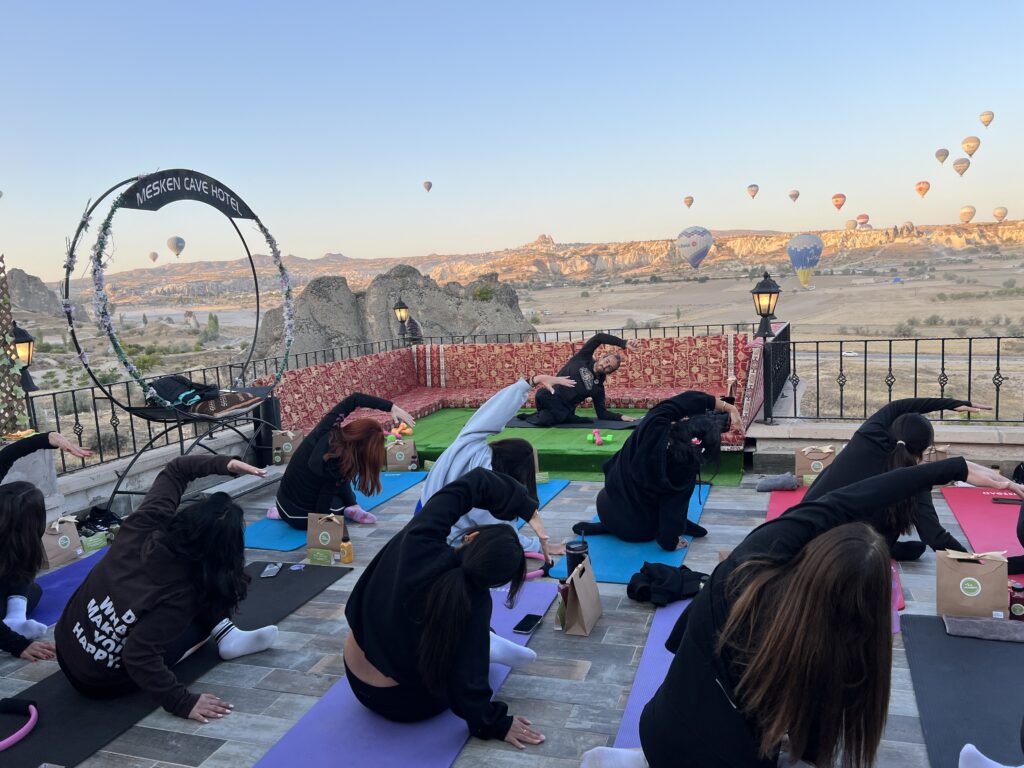
Over time I began developing what I call “True Yoga”.
A practice that honors both sides of the tradition:• the physical intelligence of modern movement• the inner awareness of traditional yogic practice
And still more, True Yoga invites students to become explorers of their own being, understand physical-mental-emotional union, inner and outer reflective nature of reality, and the art of transcendence. Not just copying poses, but cultivating awareness of body, breath, mind, emotions, and using conscious movement as a path to self-mastery.
How Conscious Fitness Emerged
Over a decade into teaching yoga, another realization appeared. Even with deep awareness practices, something was still missing. My students and I felt more centered, certain, energized and calm… yet our bodies still didn’t develop the strength, tone, and vitality we desired.
That’s when the idea for Conscious Fitness emerged.
A system that integrates:• strength training• body sculpting• yoga awareness• breathwork• nervous system regulation• development of the vast details of reality itself!
Not as separate practices — but as one evolving training path.
If you’d like to explore how this approach feels in practice, you can:
Explore Mentorship
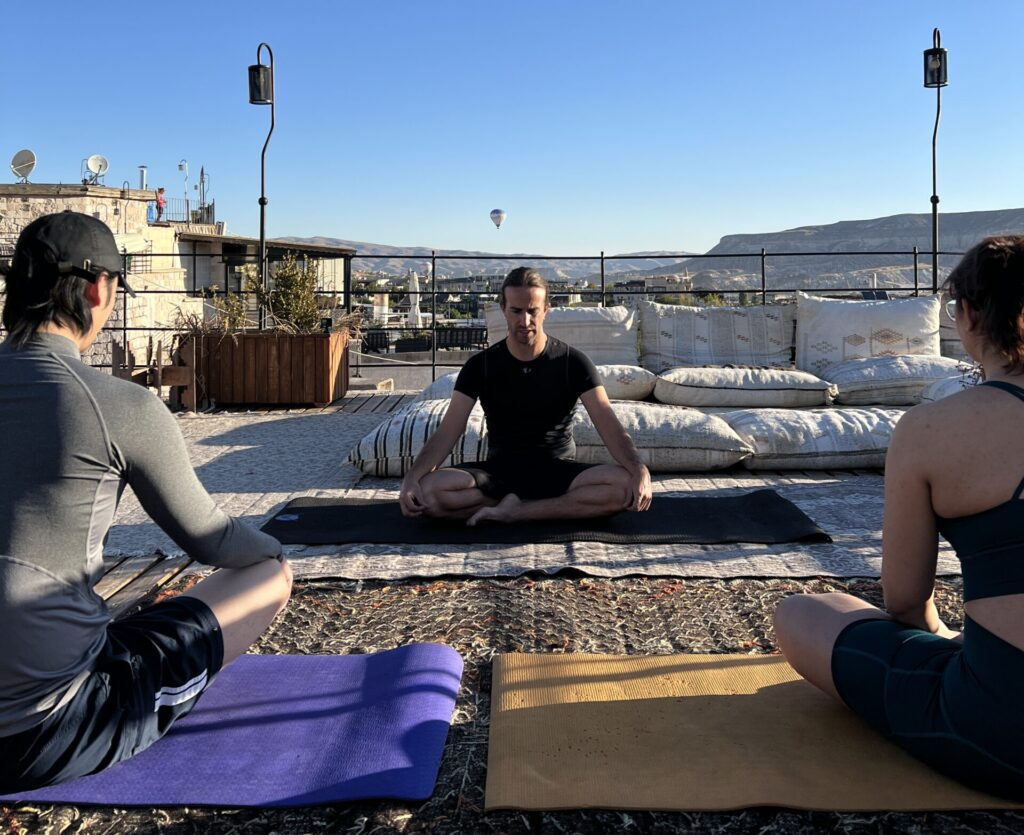
The fastest path toward transformation, where we work together to design your training rhythm, mindset practices, and long-term development.
Schedule a Free Call
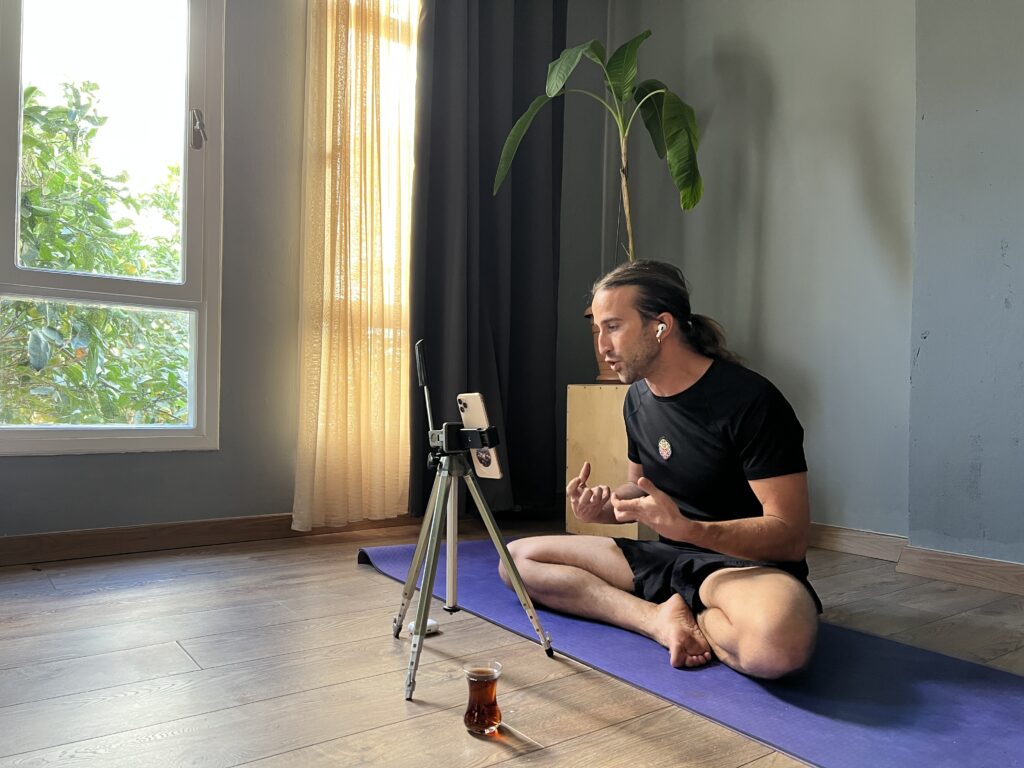
If this resonates with you, you’re also welcome to schedule a conversation with me.
Next we will explore something surprising. Because once the pieces of movement, awareness, and identity start aligning… people often notice a shift that goes far beyond fitness. They begin to experience something many describe as true vitality.
And we’ll show you exactly how that transformation begins.
Live Limitless,
Jesse